Common Myths About Hearing Loss Debunked
There are numerous misconceptions surrounding hearing loss that can prevent individuals from seeking help. Many people believe that hearing loss only affects the elderly, but it can impact individuals of all ages due to various factors such as noise exposure, genetics, and health conditions.
Understanding these myths is crucial for encouraging proactive measures in hearing health. For instance, the belief that hearing aids are only for severe hearing loss is false; many users benefit from them at the onset of hearing issues, enhancing their overall quality of life.
The Importance of Regular Hearing Check-Ups
Regular hearing check-ups are essential for maintaining auditory health and catching potential issues early. Just as routine physical exams are vital, hearing assessments help identify changes in hearing ability, allowing for timely intervention and management.
Studies show that early detection of hearing loss can significantly improve communication abilities and overall well-being. Regular visits to an audiologist can also provide insights into lifestyle adjustments that may prevent further deterioration of hearing health.
Innovations in Hearing Aid Technology
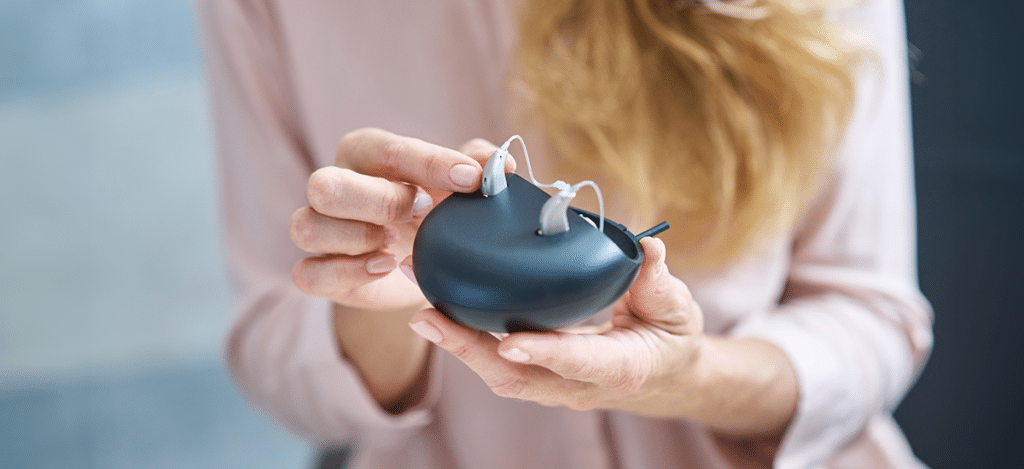
The field of hearing aid technology has advanced significantly, offering users more options than ever before. Modern hearing aids come equipped with features such as Bluetooth connectivity, noise cancellation, and customizable sound settings, enhancing the user experience.
These innovations allow individuals to seamlessly integrate their hearing aids into daily life, improving communication in various environments. For example, some devices can automatically adjust settings based on the surrounding noise level, providing optimal hearing in both quiet and loud settings.
Strategies for Coping with Hearing Loss
Coping with hearing loss involves not only the use of hearing aids but also adopting various strategies to improve communication. Techniques such as lip reading, using visual cues, and ensuring optimal listening environments can significantly enhance understanding.
Support groups and counseling services are also beneficial for individuals experiencing hearing loss. They provide a platform for sharing experiences and strategies, helping individuals feel less isolated and more empowered in managing their hearing challenges.