
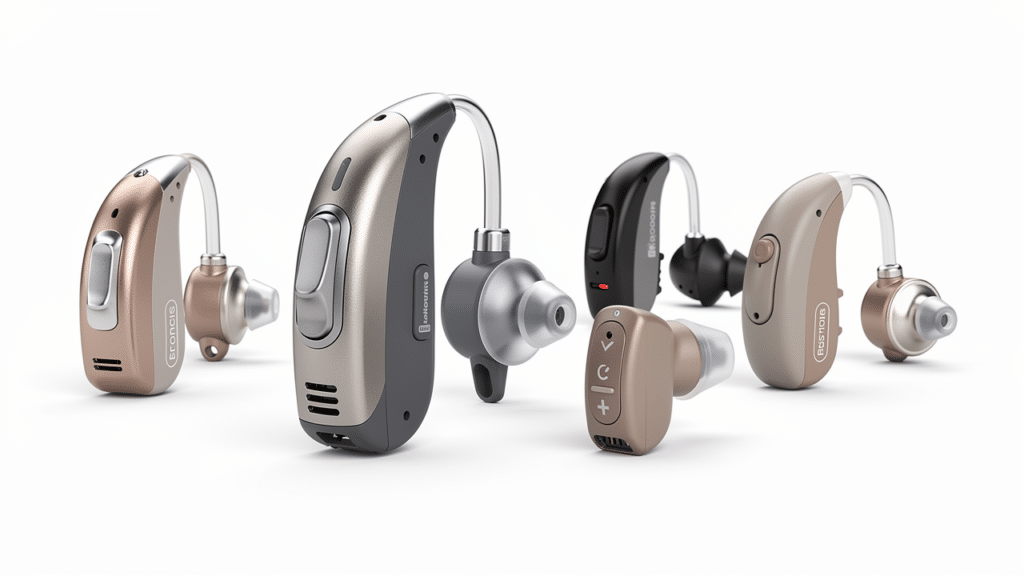
Summer is the hardest season for hearing aids. Heat, humidity, sweat, and water activities all pose real risks to sensitive hearing aid electronics. A few simple habits can protect your investment and keep you hearing clearly all summer long.
The Heat Problem
Never leave hearing aids in a car during summer months — temperatures inside a parked vehicle can exceed 130 degrees Fahrenheit, which can warp plastic components, damage batteries, and compromise electronic circuits. Avoid storing devices near windows or in direct sunlight.
Moisture Management
Sweat contains salt and other compounds that accelerate corrosion of internal hearing aid components. After each day of activity, use a hearing aid dryer or dehumidifier to remove accumulated moisture. Make this a nightly habit during summer.
Water Activities
Unless your hearing aids are specifically rated as waterproof (IP68 certified), remove them before swimming or water sports. Water resistance ratings on most hearing aids indicate splash resistance, not submersion. If your aids are accidentally submerged, remove them immediately and use a drying kit before turning them on.
Summer Checkup
A Simple Summer Routine
- Wipe your hearing aids with a dry, soft cloth every evening
- Open the battery doors overnight, or place rechargeable devices in their charger as directed
- Use a drying box or dehumidifier after sweaty or humid days
- Apply sunscreen, bug spray, and hair products before you put your hearing aids in, and let them dry first
- Keep a small storage case in your bag for the pool, beach, or boat
If sound becomes weak, distorted, or cuts in and out after heat or moisture exposure, stop using the device and have it checked. Early repair is usually simpler than waiting.
When to Have Your Hearing Aids Checked
Bring your devices in if the sound is weaker than usual, if they turn off unexpectedly, if the battery drains much faster than it used to, or if you see moisture in the battery compartment or tubing. These problems are common after a hot, humid stretch and are usually simple to fix when caught early. A yearly visit also gives your provider a chance to replace worn domes and wax guards, check the microphones, and confirm the devices still match your hearing. If it has been more than a year since your last hearing test, late summer is a good time to schedule one.
Common Questions About Summer and Hearing Aids
Can I wear hearing aids while exercising?
Yes. Most current devices handle normal sweat. A sweatband or protective sleeve helps on very hot days, and drying them afterward matters more than taking them out.
What should I do if my hearing aids get wet?
Turn them off, remove disposable batteries, wipe them dry, and place them in a dryer or drying kit for several hours. Do not use a hair dryer, oven, or microwave.
Is it safe to travel with hearing aids?
Yes. Wear them through airport security, pack your charger or spare batteries in carry-on luggage, and keep them out of checked bags and hot cars.
How often should hearing aids be professionally cleaned?
A few times a year is typical, and more often if you are active outdoors. See our adjustments and cleaning page.
A fall cleaning and inspection after an active summer is good practice. Summer is also a good time to evaluate whether your devices still meet your needs — hearing loss can progress, and a mid-year adjustment can restore clarity. Contact Revolution Hearing to schedule a summer maintenance appointment.
